
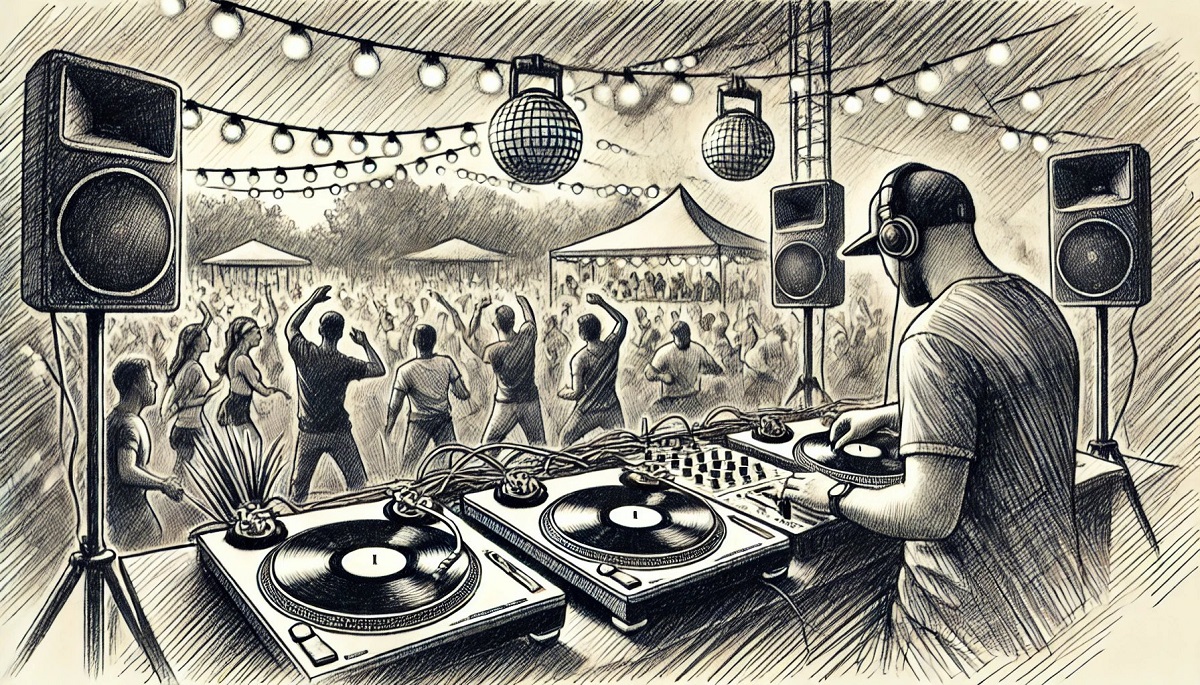
Vinyl and turntables have not only shaped music listening but also paved the way for modern digital mixing and scratching techniques. DJs like Disco King Mario, Grandmaster Flash and Kool Herc, using classic vinyl and turntables, transformed the way we think about music. Their innovations, from breakbeats to scratch techniques, laid the groundwork for today’s digital production. While hunting for original press vinyl or browsing used records in an online record store, it’s clear that these analog roots still influence digital music creation. This post explores how the tactile world of vinyl and turntables birthed the digital techniques we now take for granted.
Picture it like flipping pancakes: the faster you flip, the better the rhythm, and the longer the crowd’s on their feet.
**The Birth of Turntablism – Analog Roots**
Imagine this: it’s the late ’70s, and two turntables are all you need to change the face of music forever via techniques from early pioneers like DJ Disco King Mario. Now enter Kool Herc, who discovered that by extending the break part in funk and soul records, he could make people dance longer and have MCs flow over the resulting instrumental. His technique, called “breakbeat,” was a game-changer. At first, it was all about the analog vinyl, flipping between records on turntables to extend the party. Picture it like flipping pancakes: the faster you flip, the better the rhythm, and the longer the crowd’s on their feet. But Herc wasn’t alone—DJs Grand Wizard Theodore and Grandmaster Flash took it further, inventing the technique of “scratching,” where the turntable’s needle moves back and forth on the vinyl, creating a unique, rhythmic sound. This was turntablism: it’s as if vinyl became an instrument. And from those early days, these analog innovations laid the foundation for digital DJs and producers to build their craft, giving birth to techniques like beatmatching and scratching that remain key to modern digital mixing.
While the art of sampling first blossomed through analog turntables, its transformation into the digital age was revolutionary.
**Sampling – The Bridge Between Analog and Digital**
Sampling is like taking a bite of your favorite pizza and then using the leftovers to make a brand-new creation. This is exactly what DJs and producers did with vinyl: they’d take small sections, or “samples,” from classic vinyl records, and build entirely new tracks from them. While the art of sampling first blossomed through analog turntables, its transformation into the digital age was revolutionary. Think about it like turning a VHS tape into a high-def streaming movie—suddenly, the possibilities exploded. DJ Shadow’s *Endtroducing* (1996) was a masterclass in analog sampling and using vinyl’s tactile nature to create new, mesmerizing sounds. By the time we reached the 2000s, producers could sample from digital formats with the ease of a mouse click, but the essence remained the same: a deep, analog-inspired love for finding unique grooves and transforming them into something entirely fresh. While digital technology made sampling faster and more versatile, it was the feel of analog vinyl, the act of physically digging through crates, that inspired the core of digital remix culture.
Even today, some DJs prefer the tactile connection of vinyl for scratching.
**Digital Mixing and Scratching – Vinyl’s Lasting Influence**
Fast forward to today, and the influence of analog vinyl on digital mixing is everywhere, from DJ booths to home studios. Just because the equipment has gone digital doesn’t mean the vibe has changed. Think of it like upgrading from a vintage muscle car to a sleek electric vehicle: the ride might be smoother, faster, and more efficient, but it still carries the same spirit. The first instance in 2001 is Final Scratch: the OG of the vinyl emulation software. Modern digital DJs now use software like Serato or Traktor, which emulate the feel of vinyl but with the convenience of digital files. You can even add effects, filters, and loops, much like how turntablists would scratch or crossfade between records. But at the heart of it all, the essence of vinyl scratching remains. DJs still “cut” tracks with precision, maintaining that analog spirit, whether they’re manipulating digital files or actual records. Even today, some DJs prefer the tactile connection of vinyl for scratching, feeling like it’s just more “real” than a mouse click or a touchscreen. The beauty of it all is that vinyl’s influence is timeless, and even in the digital age, the vinyl turntable’s power is still felt every time the needle drops.
Analog vinyl and turntables laid the foundation for modern digital mixing and scratching techniques. Today, digital tools emulate the tactile art of vinyl, blending the soul of analog with the efficiency of digital. Whether you’re mixing on a controller or spinning vinyl in the DJ booth, the spirit of turntablism lives on. The analog roots of vinyl have shaped a generation of music makers, ensuring that the influence of classic vinyl, with its grooves and scratches, will always be felt in the digital age.

Leave a comment
Your email address will not be published. Required fields are marked *